

Nor Cal Fly Guides
Additional Waters
Additional Nor Cal Fisheries - Nor Cal Fly Guides
Additional Premier Waters Beyond Our Core Rivers
Not every great day of fly fishing happens on a river. Some of the hardest-fighting, thickest fish we guide are found in cold mountain lakes and technical tailwaters that will sharpen your skills and bend your rod in ways you won’t forget. Our aditional waters include: Lake Oroville, Lake Shasta, Upper Klamath from I5 up river, Engelbright, Bullards, Rollins, And a few that will remain silent!
Nor Cal Fly Guides
Lake Almanor & Eagle Lake – Big Fish on Big Water
Lake Almanor, CA Booking in advance for the Hex Hatch is highly recommended
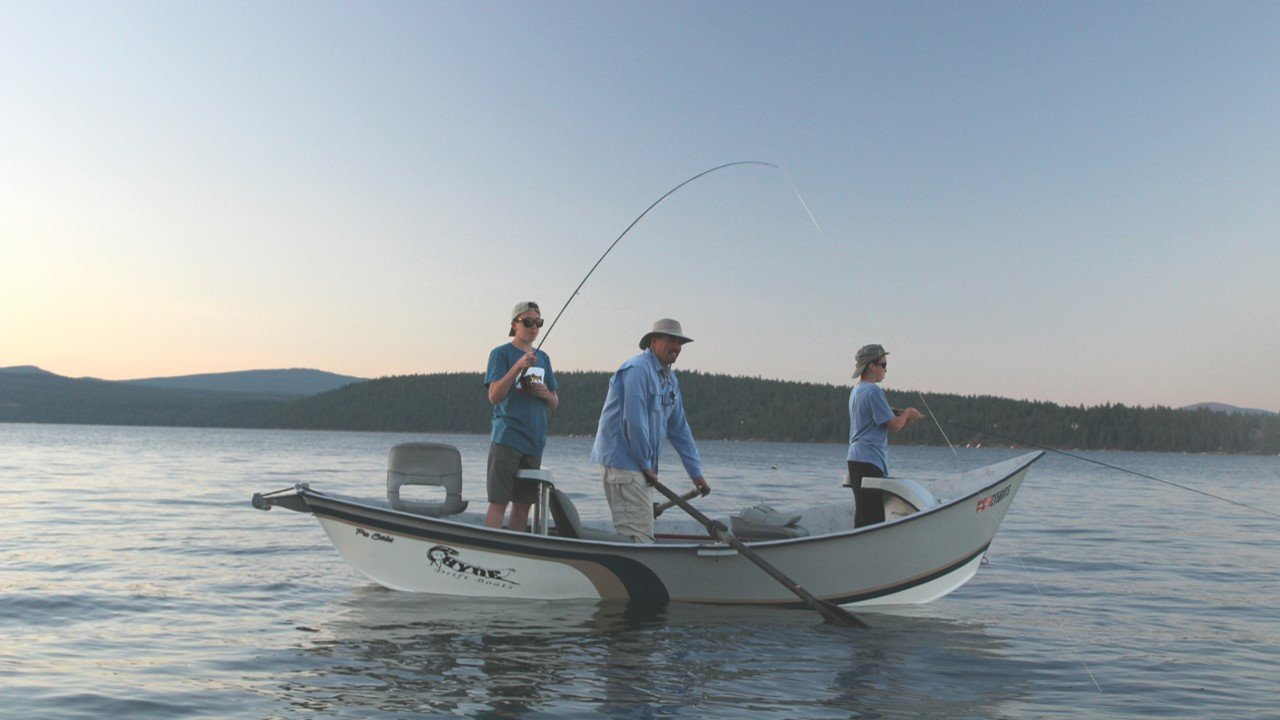
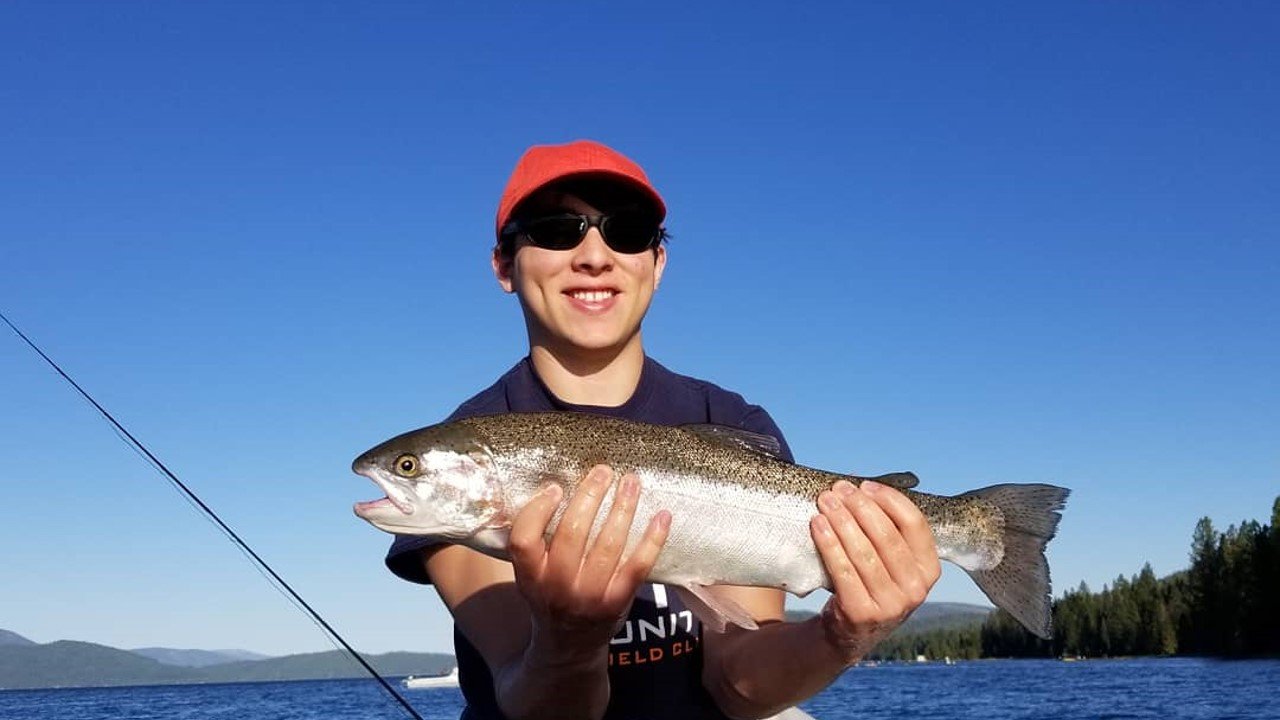
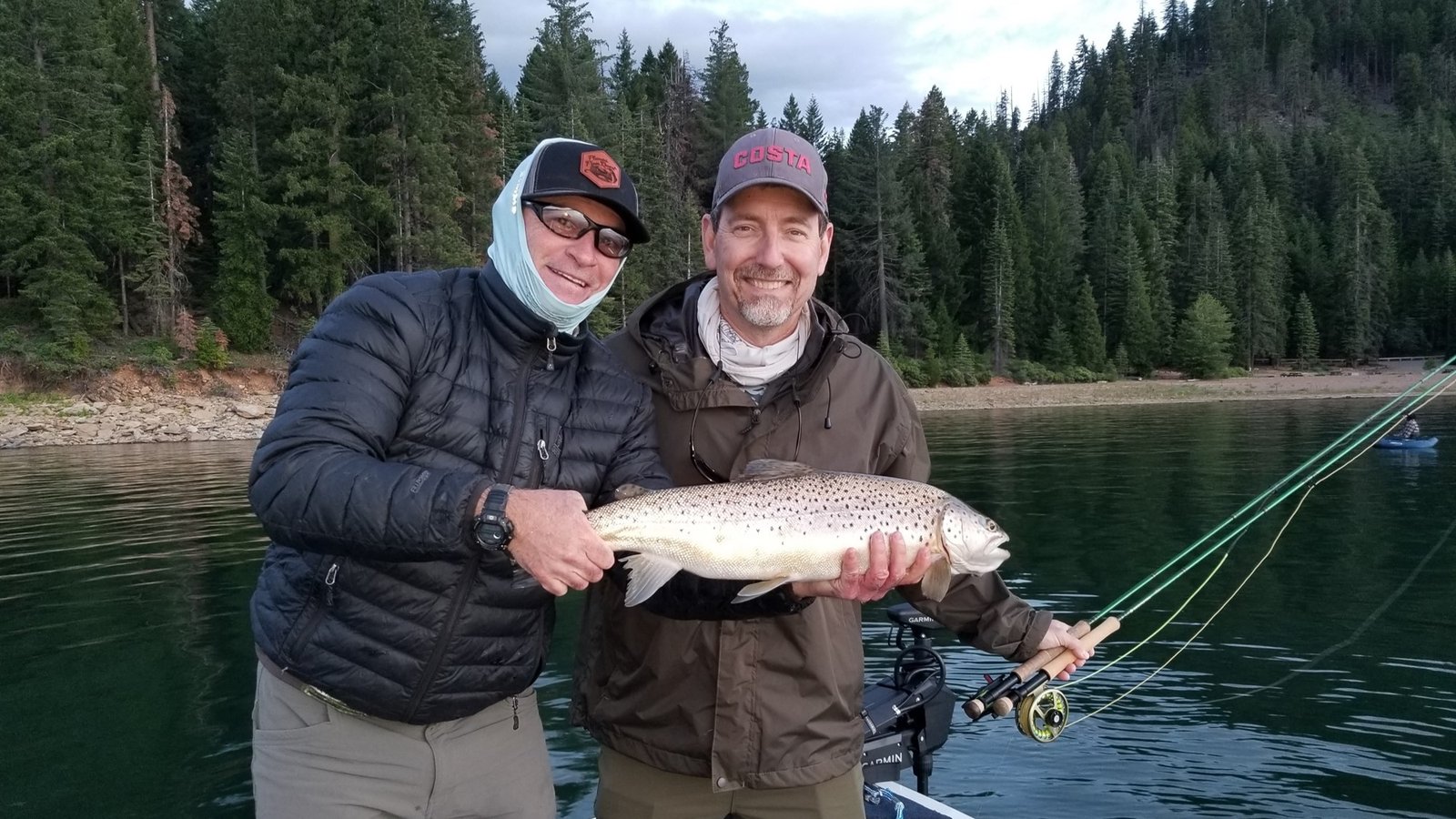
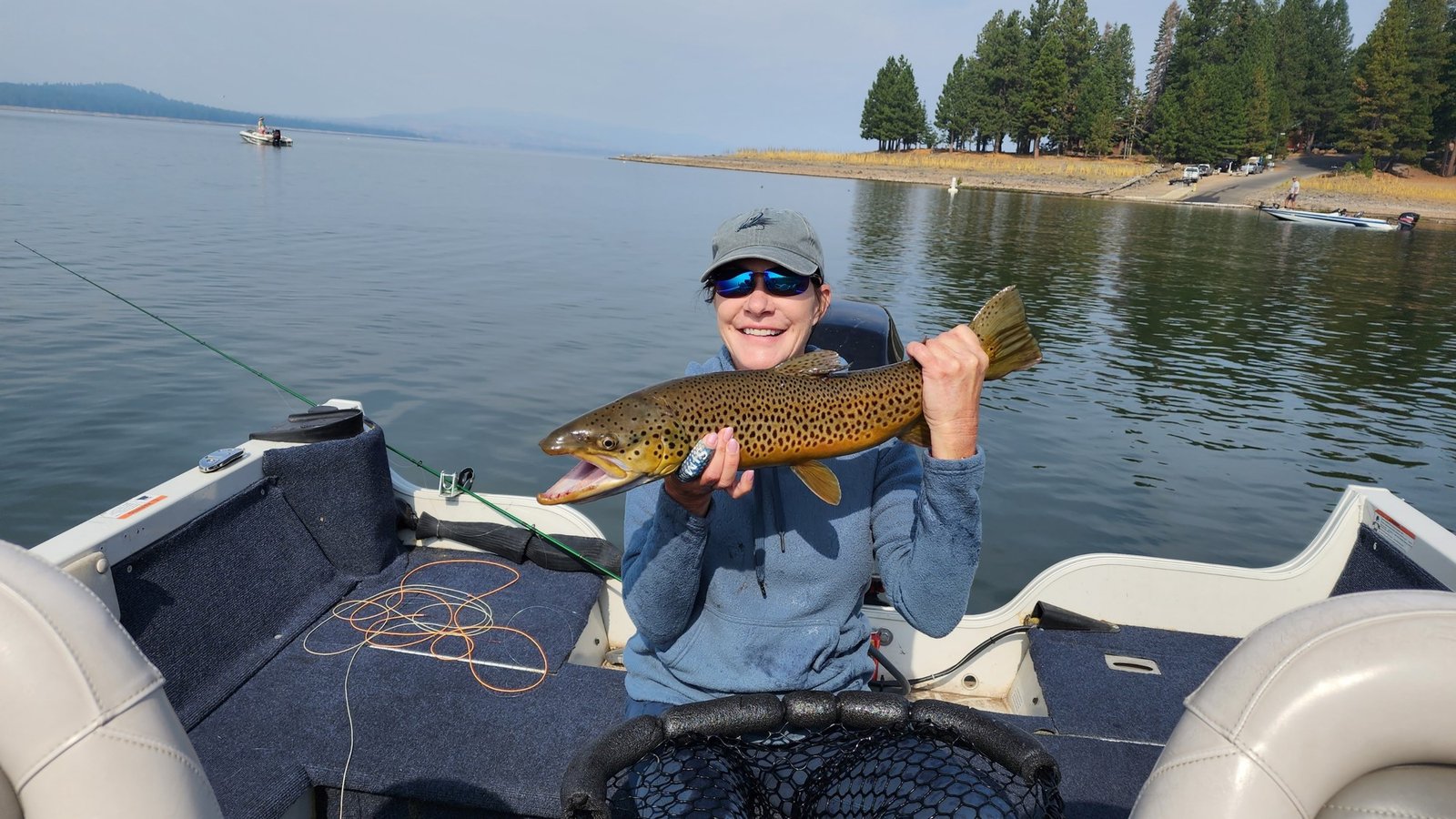
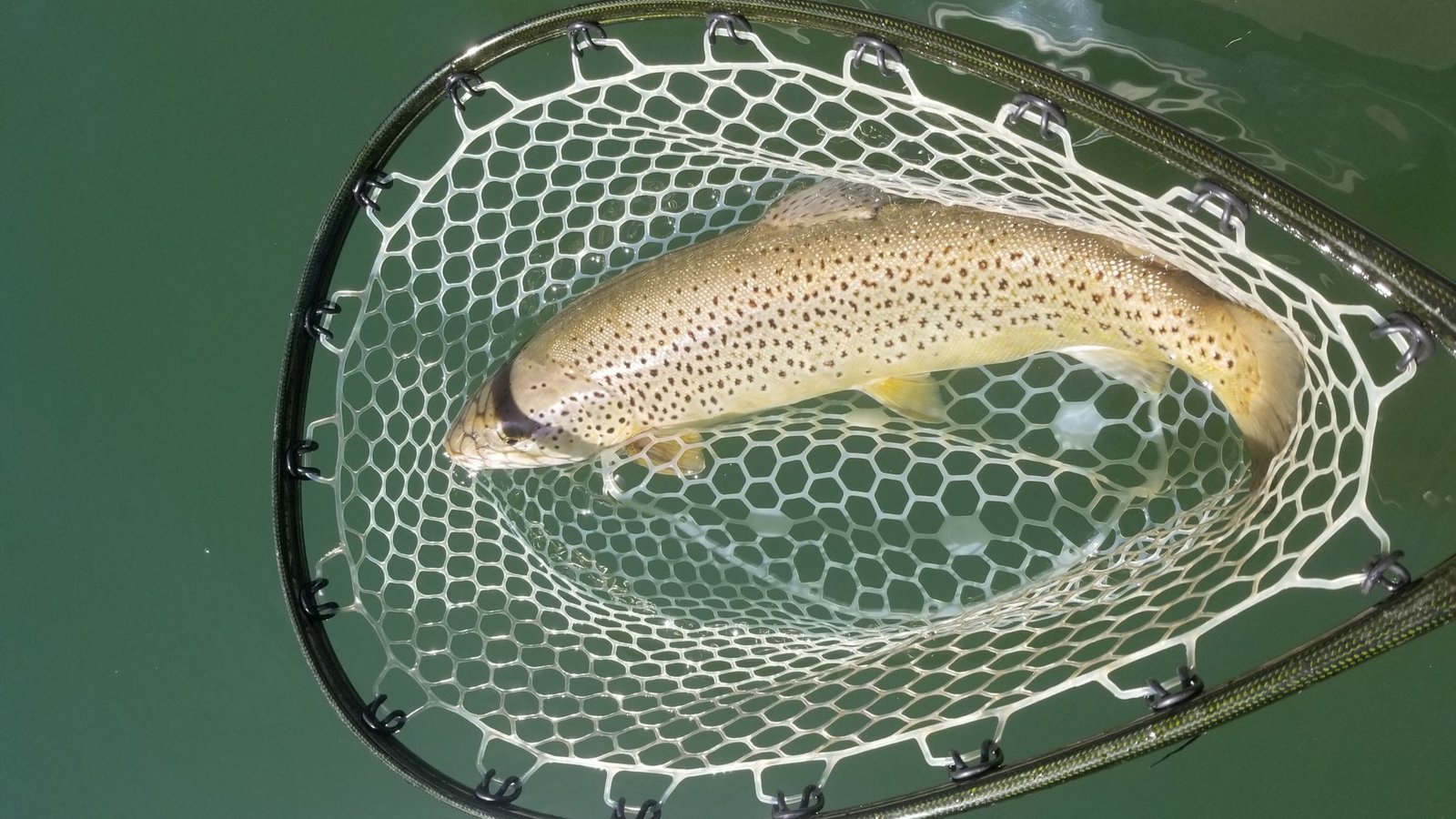
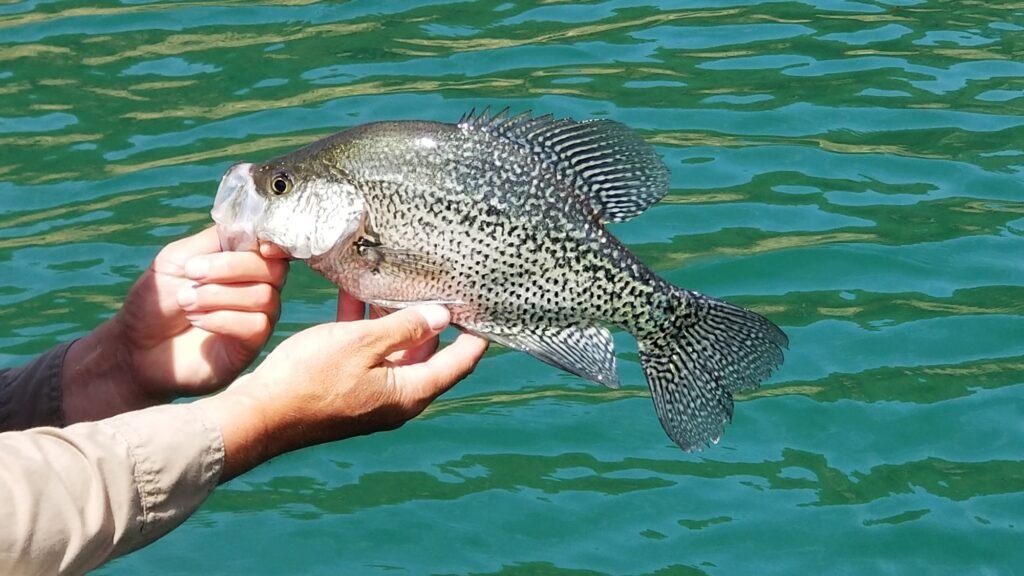
This program is all about Lake Almanor and, seasonally, Eagle Lake—two stillwater fisheries that consistently produce big, powerful trout and smallmouth bass.
Over the last few years, Lake Almanor has exploded in popularity, and for good reason. There’s really only one place in the state where, in a single day, you can tangle with double-digit browns and rainbows and then slide right into phenomenal smallmouth bass fishing. If you truly hit the jackpot and find a unicorn, this lake also holds brook trout and Chinook salmon, though we don’t typically target them specifically.
Most of our Almanor trips are done with the aid of a fish-and-ski style lake boat, though for clinics and certain situations we will also use pontoon boats and float tubes.
Our Lake Almanor and Eagle Lake adventures are led by Joe Garza. He operates under a special use permit (ELA1119) on the Lassen National Forest and operates on a non-discriminatory basis.
Nor Cal Fly Guides
Putah Creek
A Technical, Blue-Ribbon Classroom
Just a stone’s throw from both the Sacramento metro area and the Bay Area, Putah Creek is one of the most technical, unforgiving, and rewarding fly fishing creeks in California. It’s also one of our favorite places to teach, guide, and measure an angler’s growth.
Putah can be tough for a lot of reasons. Fishing pressure is high due to proximity to major cities. The fish see everything. The creek often demands tiny flies, light tippet, and absolutely perfect drifts—only to reward you with… a strand of weed. Many anglers show up for their first trip, hear the fishing has been red hot, get humbled, and never come back. That’s exactly why having a knowledgeable Putah Creek fly fishing guide matters so much. We’ve been fishing Putah for over 30 years, and we’ve seen nearly every phase of this creek—high radical flows, tricky shoulder-season levels, and the low, spooky conditions that define late summer and fall.
In the 600–900 CFS summer flows, knowing where fish sit, how they move, and where you can safely wade is crucial. In the lower-flow fall and spring windows, understanding microstructure and tiny feeding lanes is everything. Putah is loaded with large, wild, native trout—true “Putah Pigs.” We’ve seen fish pushing 35 inches here (measured legitimately, many years back), and it looked more like a steelhead than a typical inland rainbow. There’s some deep history in this creek.
Since December 10, 2009, regulations have restricted Putah to barbless, artificial-only, catch-and-release year-round. Thanks to the effort of Putah Creek Trout,
Putah Creek
A Technical, Blue-Ribbon Classroom
Winters, CA
Just a stone’s throw from both the Sacramento metro area and the Bay Area, Putah Creek is one of the most technical, unforgiving, but rewarding fly fishing creeks in California. It’s also one of our favorite places to teach, guide, and measure an angler’s growth.
Putah can be tough for a lot of reasons. Fishing pressure is high due to proximity to major cities. The fish see everything. The creek often demands tiny flies, light tippet, and absolutely perfect drifts—only to reward you with… a strand of weeds. Many anglers show up for their first trip, hear the fishing has been red hot, get humbled, and never come back. That’s exactly why having a knowledgeable Putah Creek fly fishing guide matters so much. We’ve been fishing Putah for over 30 years, and we’ve seen nearly every phase of this creek—high radical flows, tricky shoulder to shoulder fishing pressure, and the low, spooky conditions that define fall through the spring.
In the summer months we see flows around 600cfs, knowing where fish sit, how they move, and where you can safely wade is crucial. In the lower-flow fall and spring windows, understanding microstructure and tiny feeding lanes is everything. Putah is loaded with large, wild, native trout—true “Putah Pigs.” We’ve seen fish pushing 35 inches here (measured legitimately, many years back), and it looked more like a steelhead than a typical inland rainbow. There’s some deep history in this creek.
Since December 10, 2009, regulations have restricted Putah to barbless, artificial-only, catch-and-release year-round. Thanks to the effort of Putah Creek Trout,
Truckee River
Truckee, CA
Big Water, Big Brains, Big Fish
If you’ve heard of the Truckee River, you already know its reputation: hard to crack, easy to love, impossible to forget. It’s a river that fishes year-round, can kick your butt, and at any given moment can produce the biggest trout of your life. That’s why having an experienced Truckee River fly fishing guide matters. This river isn’t about shortcuts—it’s about understanding.
The Truckee is primarily a walk-and-wade river, with many accessible spots along its banks, though it can be floated in certain sections. Highway 80 follows the river from Truckee to Reno, making it one of the easier rivers in Northern California to physically reach—but that doesn’t mean it’s easy to fish.
The best fishing is often from early spring just before snowmelt, then again late spring/early summer after runoff, and continues into the fall before major winter storms drop water temps hard. Winter fishing can be slower, but if you can handle the cold (we’ll have the coffee ready), the reward at the end of your line could easily be a fish of a lifetime.
Rainbows are the main event here, with browns and the occasional whitefish mixed in. Average browns are 14–18 inches, with fish in the upper 20s always on the table. Rainbows average 14–16 inches, with plenty in the upper teens and low 20s.